
Clarifying basketball court dimensions I'm checking the standard court dimensions: the width is 4.9 m, and the length from the endline to the free-throw line is 5.8 m. The official free-throw line distance is indeed 5.8 m from the backboard's plane. The FIBA court measures 28 m by 15 m, with a center circle radius of 1.8 m. The three-point line is 6.75 m from the basket center, with a corner distance of 0.9 m. For NCAA/NBA, the free-throw line is 4.572 m from the backboard.Verifying FIBA and NBA distances For FIBA, the free-throw line is 4.6 m from the backboard and 5.8 m from the inner edge of the endline. The basket support distance from the endline is 1.575 m, making the free-throw line distance from the backboard incorrect if I say 4.225 m. Actually, the backboard plane is 1.2 m from the endline, according to FIBA; for the NBA, it's 1.2192 m from the baseline.Confirming court specifications If the distance from the endline to the backboard is 1.2 m, then the free-throw line is indeed 4.6 m from the backboard, making the baseline to free-throw line a total of 5.8 m, which matches up nicely! Now, for some additional dimensions: the basket height is 3.05 m, and the backboard measures 1.8 m by 1.05 m, with the inner rectangle at 0.59 m by 0.45 m. The restricted area semicircle radius is 1.25 m for FIBA and 1.22 m for the NBA, while lines are 5 cm wide. There’s a required minimum clearance of 2 m around the FIBA court, and for surface friction, a coefficient of 0.4–0.6 is recommended. Additionally, standards specify ball rebound of at least 90% compared to concrete.Summarizing material specifications and requirements The slip resistance should have an SRT value between 80-110, and we can simplify the shock absorption to 25-55% for area elastic floors, along with a friction coefficient around 0.4-0.6. For materials: Indoor and outdoor base requirements focus on durability and moisture control, ensuring proper drainage and suitable lighting standards for training and matches.Setting Up Court Specifications For the ancillary court setup, the height of the surrounding fence should be between 3-4 m, with protective barriers in the safety zone behind the baseline. For hoops, there are different types: movable, in-ground, and box-style, using 12 mm tempered glass for backboards with shock-absorbing rims, like the NBA/FIBA breakaway rim. Line colors should be white and 5 cm wide, marking areas like the three-point, free-throw, and restriction zones. Regarding dimensions: FIBA courts are 28x15 m and NBA courts are slightly larger. For 3x3 games, the size is 15x11 m with a 6.75 m arc. It's important to adhere to regulations such as EN 14904 and the appropriate Chinese standards. Budget strategies should consider usage, climate, maintenance, and renovation cycles. When constructing, curing times vary depending on the material. For maintenance, regular cleaning and specific products are crucial, along with seasonal protections and periodic refinishing for wooden floors. Common issues include bubbling, cracking, and noise, but there are solutions for these. Pricing can range widely, so it's best to provide approximate values in RMB while noting regional differences. Overall, I’ll aim for a clear yet concise draft!
以下是一份实用且全面的篮球场地类型与选型指南,涵盖规格、材料、结构、造价、施工与维护等关键信息,便于快速对比和落地实施。
场地尺寸与线划
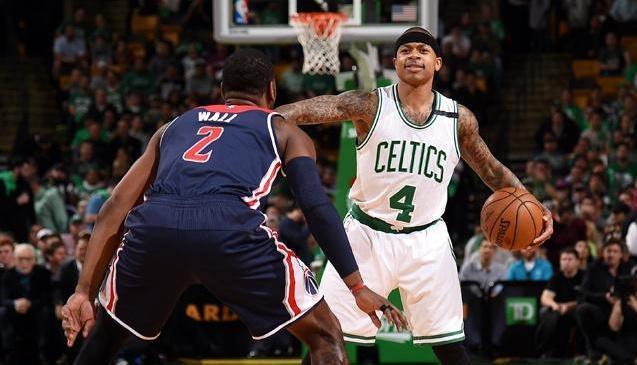
- 全场尺寸:FIBA 28×15 m;NBA 28.65×15.24 m;学校/社区常见缩尺如26×14 m、24×13 m
- 3×3半场:15×11 m,三分(记为2分线)半径6.75 m,边线直段距边线0.9 m
- 篮筐/篮板:篮圈高3.05 m;篮板1.80×1.05 m;内矩形0.59×0.45 m;篮板前沿距端线约1.2 m
- 罚球区:罚球线距端线5.8 m,距篮板平面4.6 m;限制区宽约4.9 m(FIBA)
- 三分线:FIBA弧心半径6.75 m(角落直线段距边线0.9 m);NBA弧心7.24 m(角落6.705 m)
- 线宽:标准5 cm;颜色常用白色;场地四周建议留2 m以上安全缓冲区
按使用环境分类
- 室内:枫木体育地板、PVC卷材、PU自流平
- 室外:硅PU、丙烯酸、悬浮拼装(PP)、沥青/混凝土硬地、(多功能区可用)EPDM
- 混合/便携:拼装模块可用于临时/可搬迁场地或场馆翻台
材料类型对比(优缺点与适用)
- 枫木体育地板(室内)
- 优点:专业级弹性与回弹、缓冲好、脚感佳、竞技上限高(符合EN 14904/ASTM F2772类指标)
- 缺点:造价高、对湿度敏感、需专业维护
- 适用:专业比赛馆、训练馆、学校主馆
- 参考:寿命15–25年;8–12年可打磨重涂一次
- PVC卷材(室内)
- 优点:性价比高、维护简单、对基层容错率较好
- 缺点:热胀冷缩;尖锐物损伤风险;寿命略短
- 适用:学校、副馆、多功能厅
- 参考:寿命8–12年
- PU自流平(室内/半室外)
- 优点:整体无缝、耐磨、观感好
- 缺点:施工对温湿度敏感;修补需整体处理
- 适用:多功能馆、训练场
- 硅PU(室外)
- 优点:弹性层+耐磨层结构,耐候、防水、脚感较舒适,学校应用广
- 缺点:夏季偏软、冬季偏硬;需合格基层
- 适用:学校/社区室外主流配置
- 丙烯酸(室外)
- 优点:硬地体系,耐候、色彩丰富、维护低;在沥青基层性能佳
- 缺点:硬,缓冲差;对混凝土基层裂缝敏感
- 适用:气候稳定地区、预算友好型场地
- 悬浮拼装PP(室外/临时)
- 优点:快速铺设、可迁移、排水佳、维护低;基层要求相对低
- 缺点:回弹偏硬、噪音偏大、竞技一致性略逊;热胀冷缩可见缝
- 适用:改造/临时赛场、社区活动场
- EPDM颗粒塑胶(多功能)
- 优点:耐候、防滑、色彩多;降噪
- 缺点:球反弹与脚感不佳,不建议纯篮球主场
- 适用:综合运动区、幼儿活动区
- 裸露沥青/混凝土硬地(室外)
- 优点:成本最低、耐久
- 缺点:硬、伤膝,湿滑;仅适合休闲或待升级场地
关键性能指标(选型时关注)
- 吸震与变形:室内专业地板/合规合成面层吸震约25–55%,垂直变形1.5–5 mm,减轻关节冲击
- 摩擦/防滑:动摩擦系数约0.4–0.6(或SRT 80–110),干湿防滑都要看
- 球反弹:相对混凝土≥90%为佳;均匀性差异越小说明一致性越好
- 耐候与UV:室外需抗紫外、耐热冻、耐水解
- 环保与VOC:室内低VOC,关注认证/检测报告
- 噪音:悬浮拼装与硬地相对更响
基层与结构要点
- 室内木地板系统:防潮层(Vapor Barrier)+弹性胶垫/龙骨+多层板+面层枫木;混凝土含水率/相对湿度达标(常见要求RH≤75%);房间恒温恒湿
- 室内合成面层(PVC/PU):找平层(自流平或打磨)+底涂+面层;确保含水率、pH达标
- 室外基层(硅PU/丙烯酸/拼装):
- 混凝土C25厚10–12 cm或沥青AC-13/16,上下两层;室外总体坡度0.3–0.5%利排水
- 伸缩缝:混凝土5–6 m一道,8–10 mm并弹性填缝;设排水沟/集水井
- 养护:混凝土28天、沥青≥15天后再铺面层
照明与配套
- 照度(水平平均):训练/学校200–300 lx;比赛500–750 lx;电视转播≥1500 lx;均匀度≥0.7,眩光控制UGR≤22
- 围网与防护:围网3–4 m高;端线外2 m以上安全区并做软包/护垫
- 篮架:移动式/埋地箱体式;钢化玻璃≥10–12 mm;减震挂篮(Breakaway Rim)
造价区间(国内常见,供预算参考,含料工不含税运,因地区波动大)
- 丙烯酸:约60–120 元/m²
- 硅PU:约120–220 元/m²
- 悬浮拼装:约140–260 元/m²(含面板;基层另计)
- PVC卷材室内:约120–300 元/m²(按厚度/品牌差异)
- PU自流平室内:约160–320 元/m²
- 枫木体育地板:约400–900 元/m²(按木材等级/龙骨系统)
- 基层(混凝土/沥青)、围网、灯光、篮架需单独计价
使用寿命与维护
- 枫木:15–25年;每年深度保养,8–12年打磨重涂
- PVC/PU:8–12年;日常干拖+专用清洁剂,防砂粒
- 硅PU/丙烯酸:5–10年;定期清洗、重涂面漆延寿;避免积水与重载
- 悬浮拼装:10–15年面板;可拆洗更换损坏模块;定期检查卡扣与热胀冷缩缝
- 关键习惯:禁硬物拖拽、控沙控泥、及时清理积水与油污
施工时间线与验收点
- 面层施工前:基层强度、平整度(2 m靠尺空隙≤3 mm)、含水率与pH达标
- 施工/固化:丙烯酸48–72 h;硅PU 3–7天;PU 5–7天;涂装完成后再划线
- 线划误差:宽度±2 mm;几何位置误差尽量≤5 mm
- 功能验收:球反弹均匀性、摩擦、吸震;室外排水无积水点
气候与地域建议
- 日照强、昼夜温差大:优先硅PU或高等级丙烯酸;拼装板留热胀缝
- 高寒区:注意材料低温脆化指标;加厚弹性层与防冻设计
- 高湿多雨:优先硅PU/拼装,提升排水与基层防潮;室内严格控湿
常见问题与对策
- 起鼓/起泡:基层潮湿或封闭不良;需做防潮层并检含水率
- 开裂:基层伸缩或沉降;设置伸缩缝、弹性中涂
- 粉化/褪色:低质面漆或UV老化;选耐候面漆并定期重涂
- 打滑:灰尘、汗水或面层老化;清洁+翻新防滑面
- 噪音大:硬地或拼装空鼓;加弹性层或检查拼装锁扣
如何选型(实用决策)
- 追求专业竞技/赛事:室内枫木;室外硅PU(并选高弹系统)
- 学校/大众高频使用:室内PVC/PU;室外硅PU或拼装(易维护)
- 预算有限且先用后改:先做高质量基层+丙烯酸/拼装,后续可升级
- 老场地翻新:保留合格基层,选丙烯酸/硅PU罩面或铺拼装模块
- 临时或可搬迁:悬浮拼装
需要我根据你的城市气候、场地尺寸与预算,给出1–2套具体配置(材料/做法/清单/工期)吗?